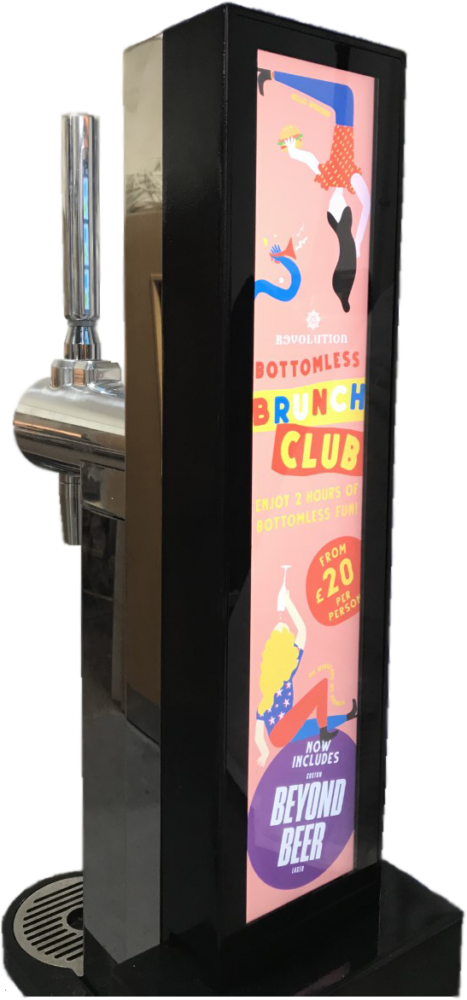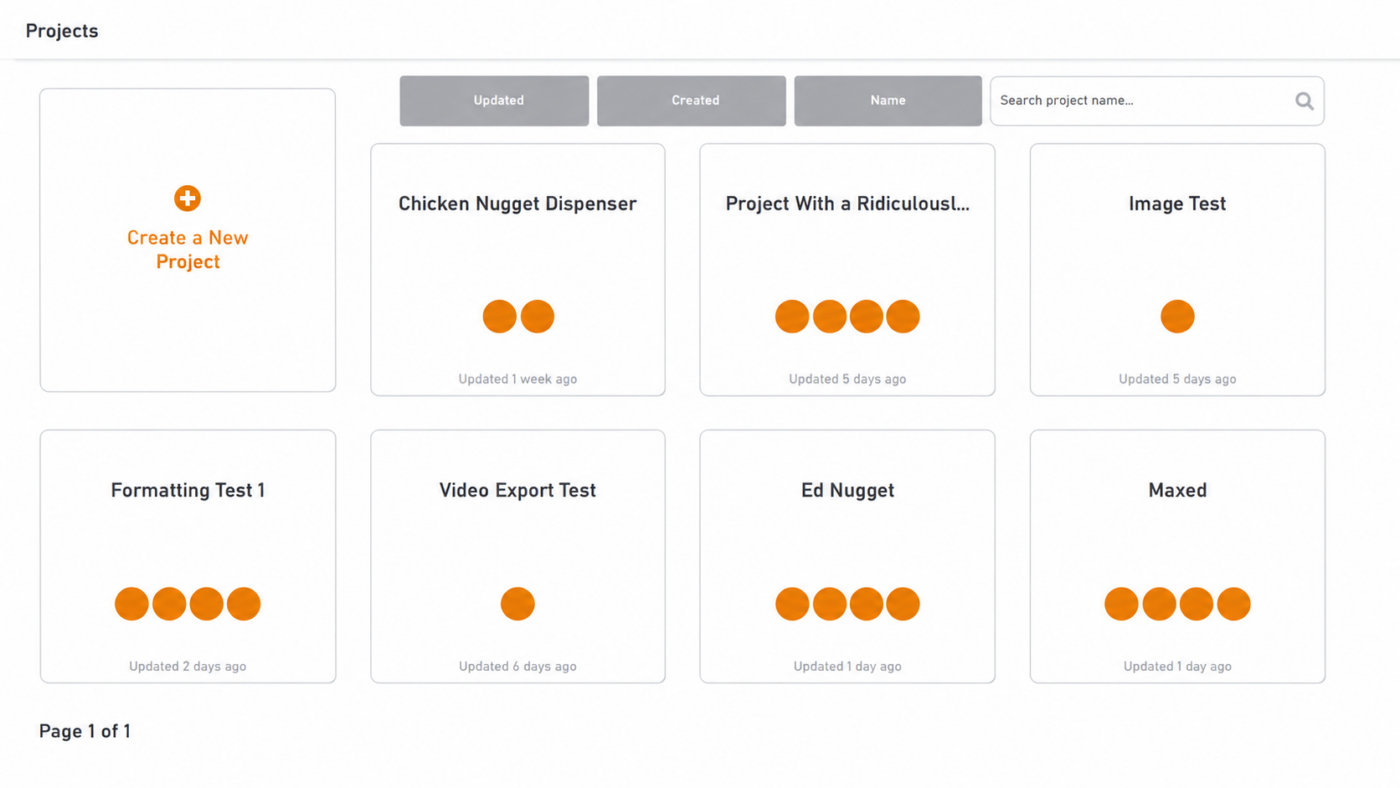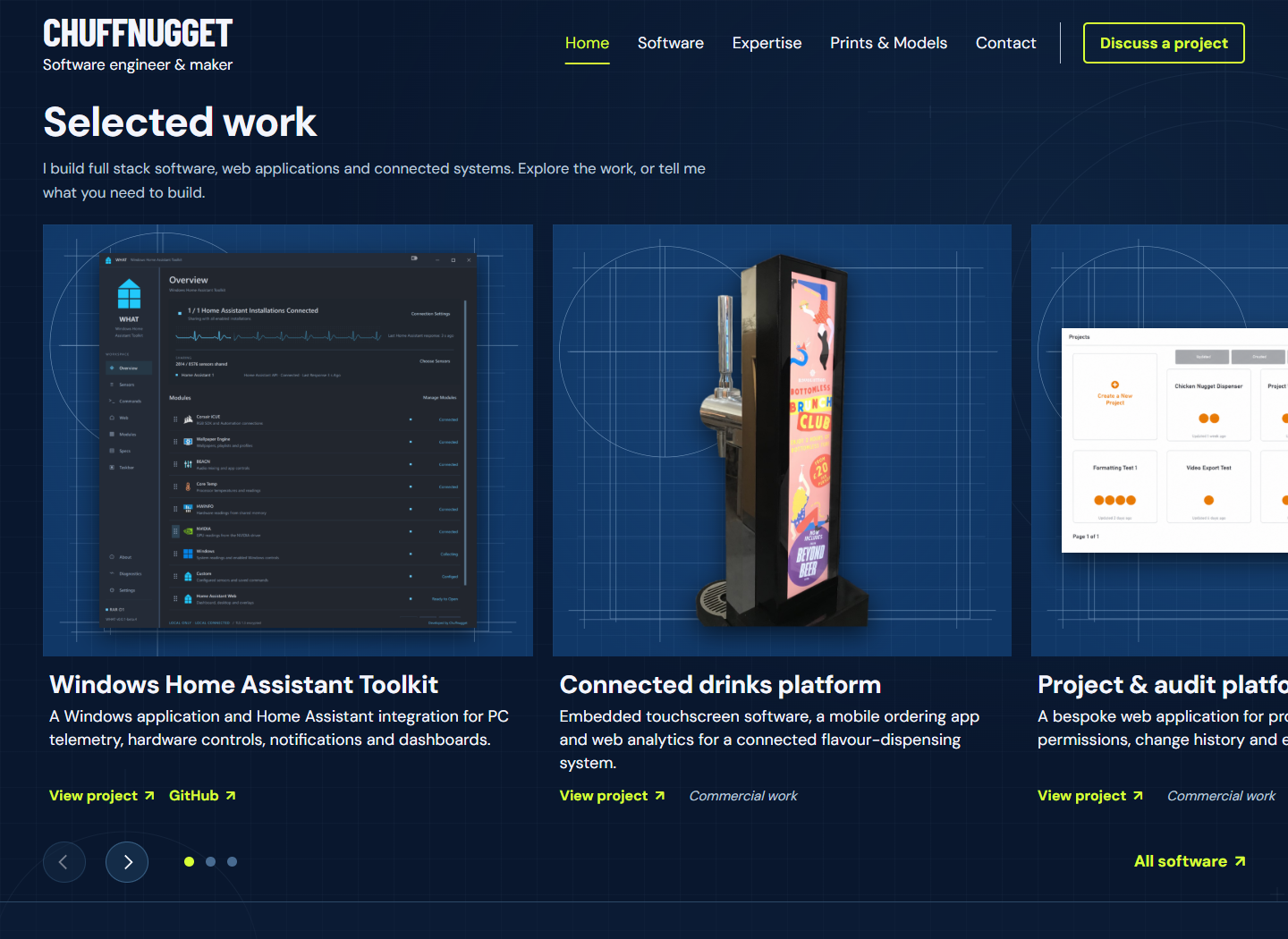
One home for different kinds of work
I wanted a portfolio that could explain a desktop application, show a physical print and make it straightforward to discuss a new software project. Those visitors need different information, but they should still feel that they are exploring the same website.
The result is a custom WordPress block theme and a companion portfolio plugin. The visual language uses a dark blueprint background, restrained lime accents and large project imagery. Full-width bands make room for the work itself; individual case studies carry the detail.
Content that can appear in more than one place
Projects, prints and source repositories have their own records. A project can appear in the software directory, selected work and technology examples without needing a separate copy of its description. Download, documentation and repository links are editable fields, so a visitor can choose between reading about the work and using it.
Archived projects stay available alongside the rest of the portfolio, with their support status clearly labelled. Prints have a local overview before sending visitors to the relevant Etsy listing; free models link to their downloads.
Skills backed by examples
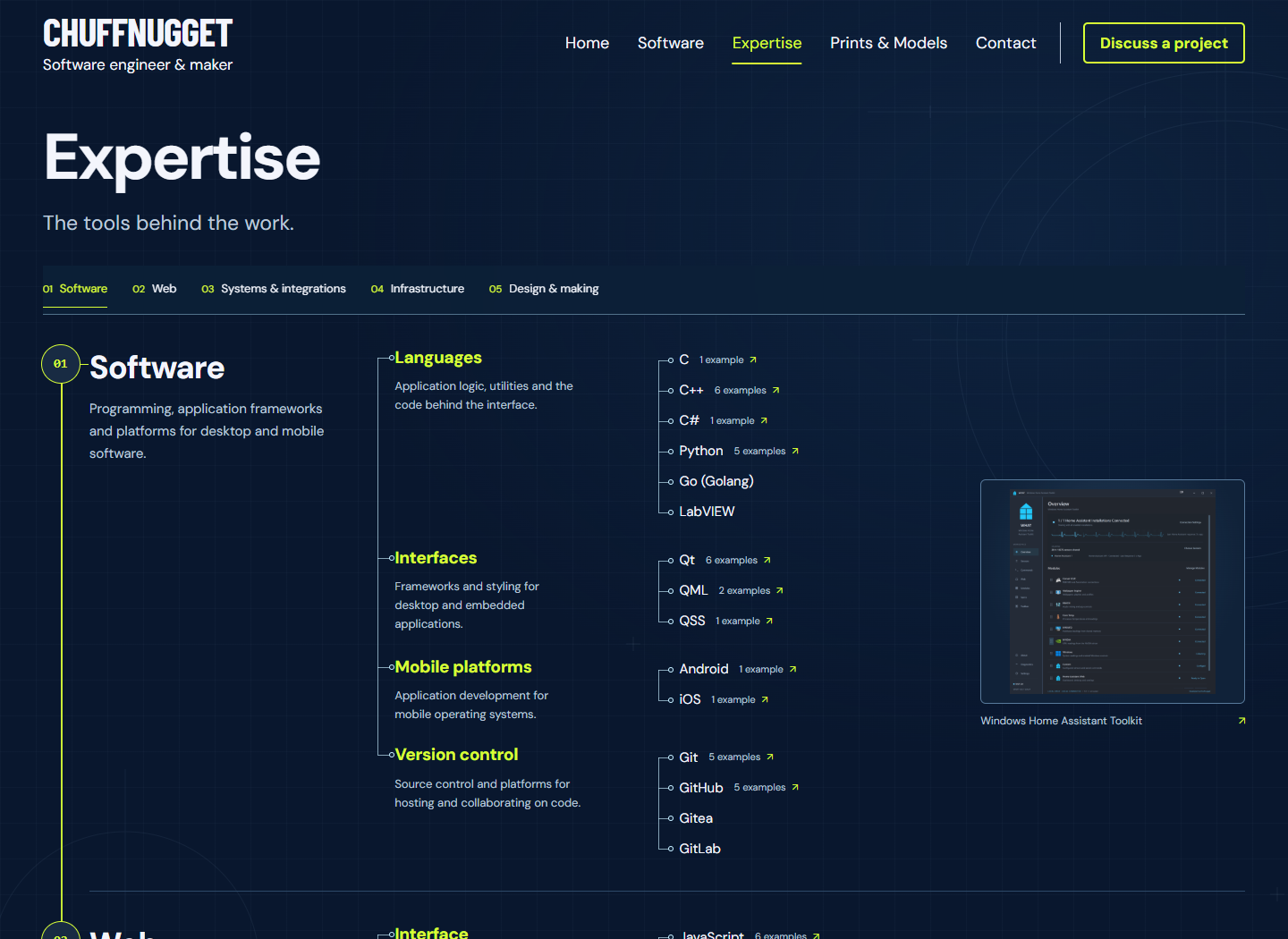
The expertise directory groups languages, protocols and tools into branching chapters. Technologies are shared with the project records, which makes it possible to show the number of published examples for a skill and link to the work behind it. New skills can be added through WordPress without drawing a new diagram.
A private enquiry workflow
The contact form collects a name, email address, project type, optional business name and a brief. Server-side validation, a hidden spam field and request throttling protect the submission handler. Enquiries are saved privately in WordPress before an email notification is attempted.
The administration menu shows an unread count, with controls for marking messages read or unread. Notifications link back to the private record. The destination mailbox and enquiry contents are not published in the site’s pages.
Presentation and operation
The interface uses PHP-rendered WordPress blocks, CSS and small JavaScript enhancements for the navigation indicator, carousel, chapter navigation and image viewer. Standard links remain usable without JavaScript, while motion respects the visitor’s reduced-motion preference.
WordPress runs in Docker Compose with a MariaDB database behind an nginx reverse proxy. Scheduled tasks run independently of visitor traffic. Releases are checked in a local preview, backed up before deployment and verified on the live site.
The site is itself an ongoing project: a practical example of joining content modelling, interface design and server operation in one maintained application.